


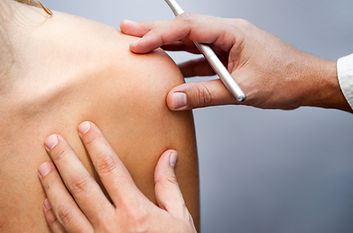
Platelet-Rich Plasma (PRP) injections
Platelet-Rich Plasma (PRP) therapy is an advanced regenerative treatment that uses your body’s own natural healing properties to rejuvenate skin, stimulate hair growth, and support tissue repair. PRP is created by drawing a small sample of your blood, processing it in a centrifuge to concentrate the platelets, and then carefully injecting the platelet-rich plasma into targeted treatment areas.
Platelets contain powerful growth factors that help stimulate collagen production, improve circulation, and accelerate the body’s natural repair processes.
How it works
PRP is created by drawing a small sample of a patient’s blood and spinning it in a centrifuge to concentrate the platelets. Platelets contain growth factors and signaling proteins that help repair tissue.
Once concentrated, the PRP is injected directly into the affected joint.
These growth factors can:
-
Stimulate tissue repair in cartilage, tendons, and ligaments
-
Reduce inflammation in the joint space
-
Improve joint lubrication and function
-
Promote collagen production for stronger connective tissue
Potential Benefits for Patients
Patients may experience:
-
Reduced pain
-
Improved mobility
-
Better joint stability
-
Faster healing after injury
-
Reduced need for medications such as NSAIDs
Because PRP comes from the patient’s own blood, the risk of allergic reaction is very low.
What to Expect During Treatment
PRP treatments are typically performed in-office and take about 30–60 minutes.
The procedure generally includes:
-
A small blood draw
-
Processing the blood to isolate platelet-rich plasma
-
Targeted injections or application with microneedling
Most patients experience minimal downtime, with mild redness or swelling that resolves within a few days.
Joints Commonly Treated with PRP
PRP injections are commonly used for:
-
Knees (especially mild to moderate osteoarthritis)
-
Shoulders
-
Hips
-
Elbows (tennis elbow)
-
Ankles
-
Small joints of the hands and feet
Many providers use PRP as a non-surgical treatment option before considering more invasive procedures.